
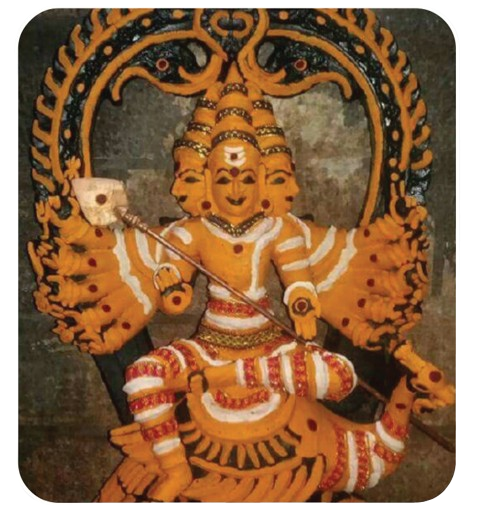
Shatru Samhara (Sarvaabheeshta Phalaprada) Subramhanya Pooja
In ancient times, the worship of five deities was prevalent. Around 2500 years ago, Shri Adi Shankaracharya introduced the worship of these deities and included the path of Koumara, formalizing the practice as Shanmatha. He also composed the 33 verses of Subramanya Bhujangam at Tiruchendur, dedicated to Jayanthi Nathaswamy. Each of these verses is considered a Maha Mantra, making Subramanya Pooja highly significant, capable of bringing victory and auspiciousness in all endeavors. The Shatru Samhara Subramanya Trishati is an essential aspect of Koumara Upasana. This secretive practice is said to vanquish both internal enemies, such as kama (desire), krodha (anger), lobha (greed), moha (delusion), mada (pride), and matsarya (envy), and external foes. Scriptures like Skanda Archana Kalpadruma and other Koumara Tantras elaborate on this method, emphasizing its potency. However, Subrahmanya Upasana requires careful handling as it is directly connected to the Swadhishthana Chakra and demands deep devotion and discipline. Unlike other Trishati Stotras or Namavalis, the practice of this Trisati is reserved for select, qualified devotees.
It is primarily performed as an Archana by Subrahmanya or Shakta devotees. Also known as Shiva Subrahmanya Trishati, it integrates six groups of names corresponding to the Shadakshari Mantra, representing the six faces of the Supreme Lord: Sadyojata, Vamadeva, Aghora, Tatpurusha, Ishana, and Adhomukha. To undertake this practice, devotees must receive initiation into the Subrahmanya Pancha Dashakshari Mahamantra from a Guru or Acharya. Subrahmanya is meditated upon as a red-colored deity with six faces and 12 arms, holding the Goddess Shashti on his lap. Participation in this Pooja requires the grace of Subrahmanya and the blessings of a Guru. Approximately 150 years ago, Shatru Samhara Pooja was initiated by Shri Anandanandanatha, Guru of the Purnananda Mandali, and continues to be conducted on Vishakha Nakshatra days under the guidance of Shri Shri Sadhanandendra Saraswati Swami, a revered Guru in the Purnananda Mandali tradition.